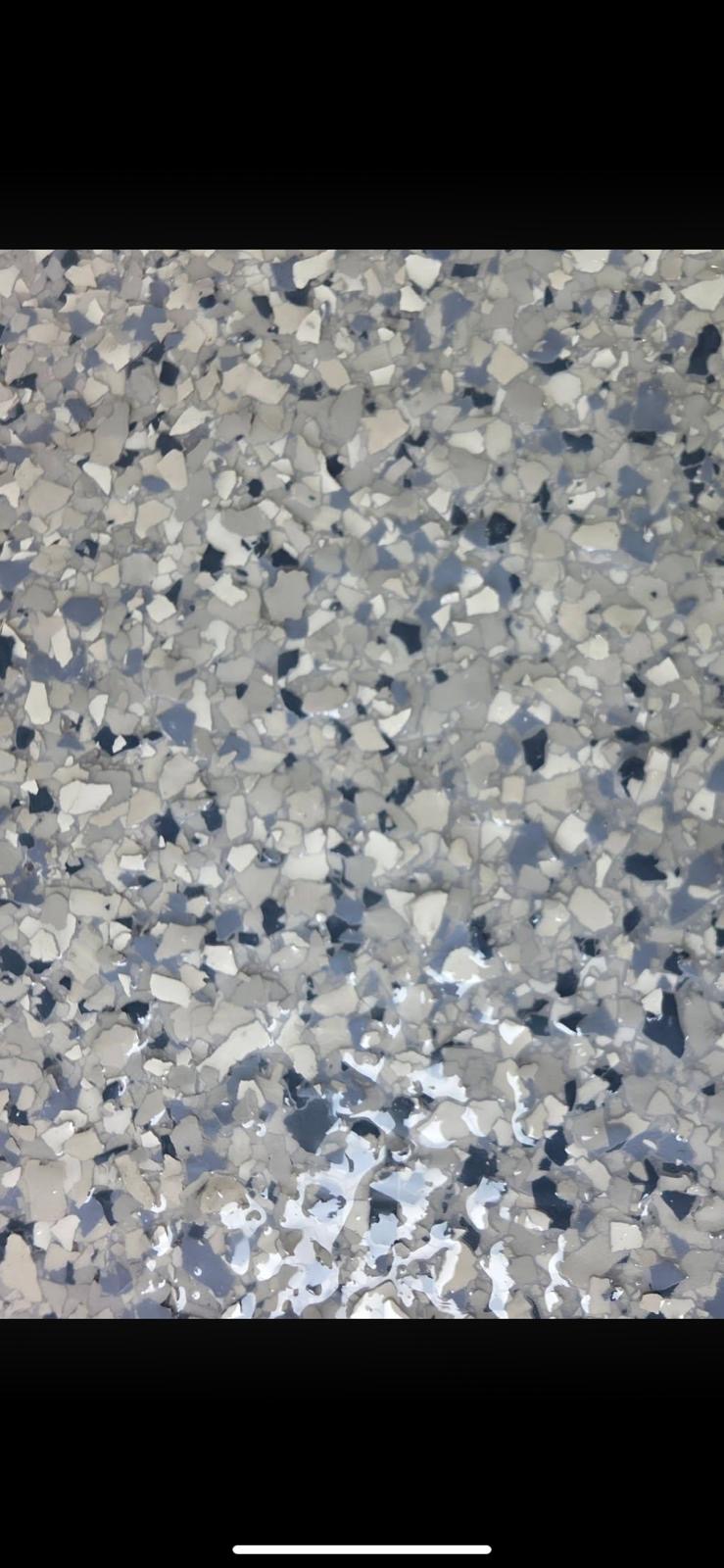
Built for the way you actually use the space.
Our industrial resin floors are built for the harshest manufacturing, processing and logistics environments. Multiple coats of high-strength epoxy and PU binders engineered for impact, abrasion and chemical exposure, with a seamless, easy-to-clean surface.
Heavy-duty flooring systems for warehouses, factories, manufacturing facilities and industrial environments.
An industrial resin floor has one job: keep the operation moving. Forklifts, pallet trucks, dropped tooling, spilled coolant, hot wash-downs, thermal shock at the pass. Every system we install is specified around how the space is actually run, not what a data sheet suggests in ideal conditions.
We work alongside plant managers, facilities teams and principal contractors on manufacturing, engineering, processing and logistics sites across the West Midlands. The build-up is chosen against load class, chemical exposure, cleaning regime and permitted downtime. Nothing is copied out of a template.
Key benefits
- Forklift, pallet truck and heavy plant rated build-ups
- Impact and abrasion resistance across production zones
- Chemical, oil and coolant resistant top coats
- Anti-slip aggregates for wet, oily and pedestrian areas
- Bay marking, hatching and safety line marking in one visit
- Phased installation to keep production moving
Our installation process
Every industrial flooring project follows the same disciplined sequence. Skipping steps is where floors fail — we don't skip.
- Step 01
Site survey and moisture testing
We attend site, take slab moisture readings (hygrometer to BS 8203 / BS 8204), assess existing coatings, contamination and joint condition, and confirm loadings and chemical exposure with your engineering team. The survey feeds directly into the specification — we do not quote blind.
- Step 02
Mechanical preparation
Concrete is diamond-ground or captive-shot-blasted to a profile suited to the specified system thickness. This is the single most important stage; a resin floor is only as good as the key it has into the substrate. All dust is HEPA-vacuumed as we go.
- Step 03
Repairs and priming
Cracks, spalls, joints and any laitance are cut out and re-mortared with fast-cure epoxy repair mortar. A penetrating epoxy primer is applied to bind the surface, address residual substrate moisture and lock in a bond coat for the build layers, dependent on the specified system and manufacturer technical guidance.
- Step 04
Body coats and aggregate
Depending on the specification, we apply either a self-smoothing epoxy screed, broadcast quartz or a heavy-duty polyurethane screed for high-thermal-shock areas. System build thickness is determined by substrate condition, intended use and specification. Aggregate is fully seeded into the wet layer for a monolithic build.
- Step 05
Line marking and demarcation
Bay lines, walkways, hatching, forklift zones and hazard markings are set out and masked while the body coat is still workable, then coated in a contrasting resin so the marking is part of the floor — not a paint layer that lifts under a pallet truck.
- Step 06
Seal and top coat
A chemical-resistant epoxy or aliphatic PU top coat is roller-applied to lock in the aggregate, deliver slip resistance tailored through system and aggregate selection, and give a cleanable, closed surface. Sheen is chosen to suit the environment — matte for glare-sensitive assembly, satin for visual QA areas.
- Step 07
Handover and sign-off
We snag the floor with you, confirm all line-marking against your layout drawings, provide the maintenance schedule and issue the workmanship guarantee in writing.
Where it works, where it doesn't
We're honest about specification. A system installed in the wrong environment will fail no matter how well it's laid.
Suitable for
- Manufacturing and assembly plants
- Warehousing, logistics and distribution centres
- Engineering workshops and machine shops
- Food, beverage and pharmaceutical production
- MRO facilities and vehicle depots
- Chemical handling and processing areas
Not suitable for
- Unheated external areas exposed to standing water and frost (specify a PU screed instead)
- Substrates with rising damp and no DPM (requires remediation first)
- Timber decks and lightweight raised access floors without a rigid overlay
Advantages and trade-offs
Advantages
- Long service life when correctly specified and cared for
- Seamless, hygienic and easy to clean at scale
- Load ratings suit MHE, palletised storage and heavy production
- Integrated line marking removes ongoing repaint costs
- Can be installed in phases to protect uptime
Trade-offs
- •Installation requires the area to be offline for the section being coated
- •Cure and return-to-service times before heavy vehicle traffic vary by system and site conditions
- •Requires competent preparation — inadequate grinding is the most common cause of coating failure
- •Higher up-front cost than sealed concrete or single-coat paint
Durability and lifespan
Service life on an industrial floor varies with the system specified, the substrate, the environment, loading, use and the cleaning regime, so we do not quote a fixed figure. What we can say is that wear presents as slow dulling of the sheen in traffic lanes long before the system itself fails, which gives you a clear planning window for a re-coat rather than a full replacement. Our installations are backed by our written 10-Year Workmanship Guarantee, which covers installation workmanship and is not a guarantee of product lifespan.
How long the system stays serviceable is driven by three things above all: the quality of the mechanical preparation, the specified build thickness, and how disciplined the cleaning regime is. All three are things we set out for you at handover so the floor is looked after the way it was designed to be.
Curing times
Cure and return-to-service times vary by system and site conditions. Colder conditions extend them; warmer conditions shorten them.
| Stage | Time | Notes |
|---|---|---|
| Foot traffic | Varies by system and site conditions | Light walking in socks or clean shoes once the top coat has gelled. |
| Furniture return | Varies by system and site conditions | Light furniture, tools and shelving can be reintroduced. |
| Vehicle traffic | Varies by system and site conditions | Hot tyres and heavier point loads once the polyurethane top coat has fully cross-linked. |
| Full chemical cure | Per manufacturer technical guidance | Chemical resistance, wet cleaning and heavy wear reach design spec. |
Maintenance and aftercare
Industrial resin floors are low-maintenance but not no-maintenance. The single biggest factor in preserving the surface is keeping grit off it — grit under a forklift wheel is what abrades a top coat, not the wheel itself. A daily sweep and a weekly scrub with a rotary machine and a neutral pH detergent will keep the floor looking and performing as installed.
We recommend a professional deep-clean on a schedule set out at handover. Protective top coats can be refreshed in traffic zones when inspection and wear indicate this is required. This is a fraction of the cost of a full re-floor and resets the sacrificial wear layer entirely.
Aftercare checklist
- Sweep or dust-mop daily to lift abrasive grit
- Scrub weekly with a neutral pH detergent — no solvents on epoxy
- Clean spills of aggressive chemicals promptly
- Use soft-wheeled MHE where possible in fine-finish areas
- Book a professional inspection on the schedule agreed at handover
Colour, finish and customisation
Industrial floors are usually specified around function first, but colour and layout still matter — they drive safety, wayfinding and pride in the workplace. We can match to RAL and BS colours, integrate corporate zoning, and lay out full traffic management schemes to your layout drawings.
Sheen, slip resistance and aggregate profile are all specifiable independently. A single facility can carry different finishes and slip resistance across assembly, ramps and wash-bay areas — all tied together visually.
Available finishes
- ◆Self-smoothing epoxy screeds
- ◆Broadcast quartz systems for enhanced slip and impact
- ◆Heavy-duty PU screeds for thermal shock
- ◆Full RAL / BS colour matching
- ◆Slip resistance tailored through system and aggregate selection
- ◆Integrated bay marking and hatching
Send us your drawings, MHE list and downtime window — we'll come back with a specification and a phased programme.
Industrial Flooring — frequently asked
How long will an industrial resin floor last?+
We do not quote a fixed service life. It depends on the system specified, the substrate, the environment, loading, use and cleaning. Traffic lanes usually want a top-coat re-seal first, and we advise on that from inspection rather than to a fixed timetable. Installation workmanship is covered by our 10-Year Workmanship Guarantee.
Can you install while we keep production running?+
Yes. We routinely phase installs by bay, aisle or shift so at least part of the operation stays live, and we work nights and weekends where the spec allows it.
What loadings can the floor take?+
Load ratings are specified against your actual MHE list — counterbalance forklifts, VNA trucks, reach trucks and heavier point loads are each built up differently. We quote against your equipment rather than a guess.
Will it resist coolant, oil and cutting fluids?+
Chemical resistance depends on the selected coating and exposure. Our epoxy and aliphatic PU top coats are chosen to handle hydrocarbons, water-based coolants and process chemistry identified at survey; concentrated acids or aggressive solvents need a specific chemical-resistant build.
How disruptive is the installation?+
Cure and return-to-service times vary by system and site conditions. Phased programmes keep the rest of the site running throughout.
Related resin systems
PU Flooring Systems
Polyurethane systems for the most demanding environments.
ReadWarehouse Flooring
Hard-wearing warehouse systems built for scale.
ReadCommercial Flooring
Seamless resin floors for offices, retail and hospitality.
ReadAvailable across the West Midlands
We install industrial flooring across:
Call 07756 971 165 for a free quotation, or email admin@epoxyguys.co.uk.
More resin systems by Epoxy Guys
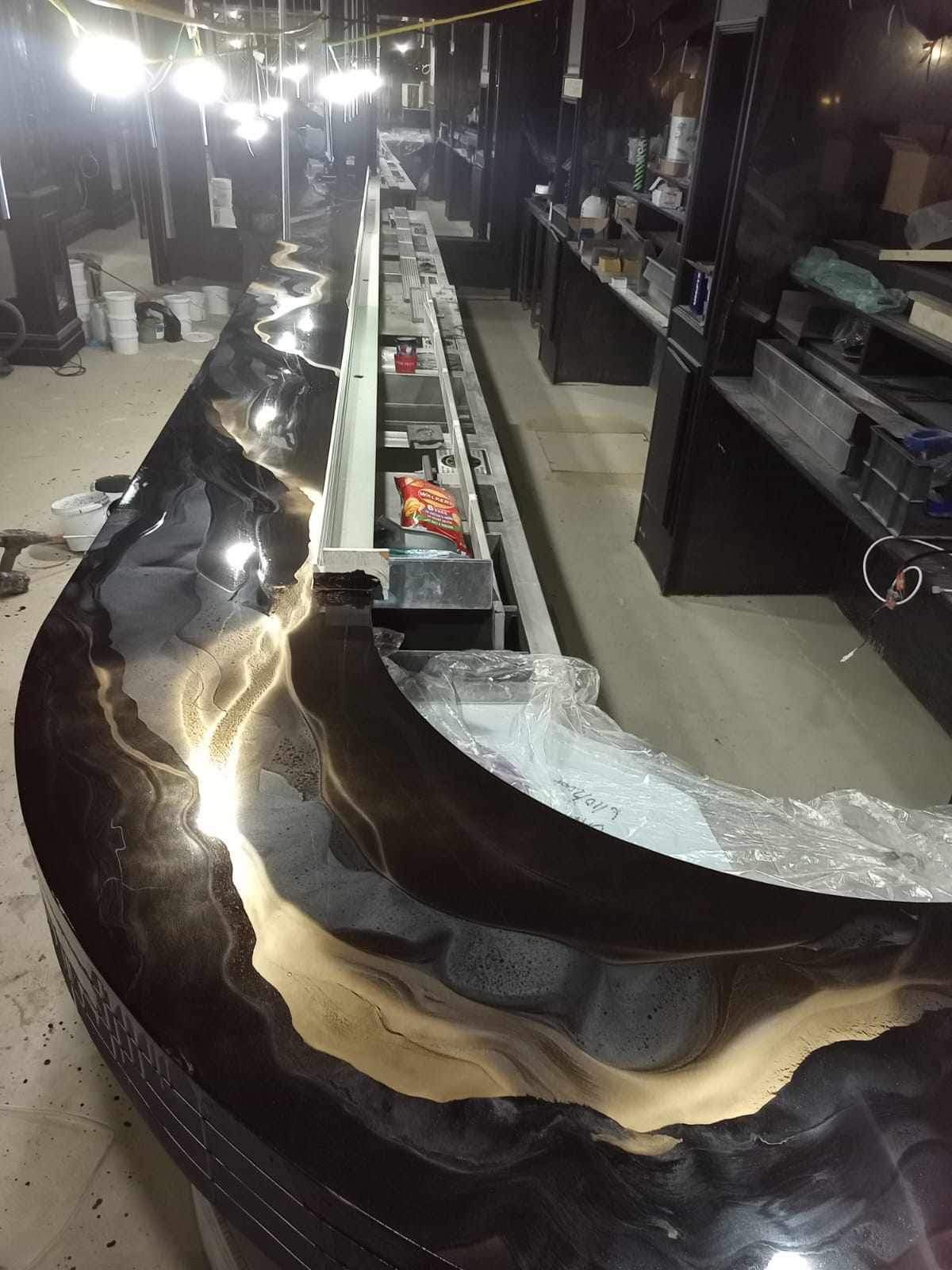
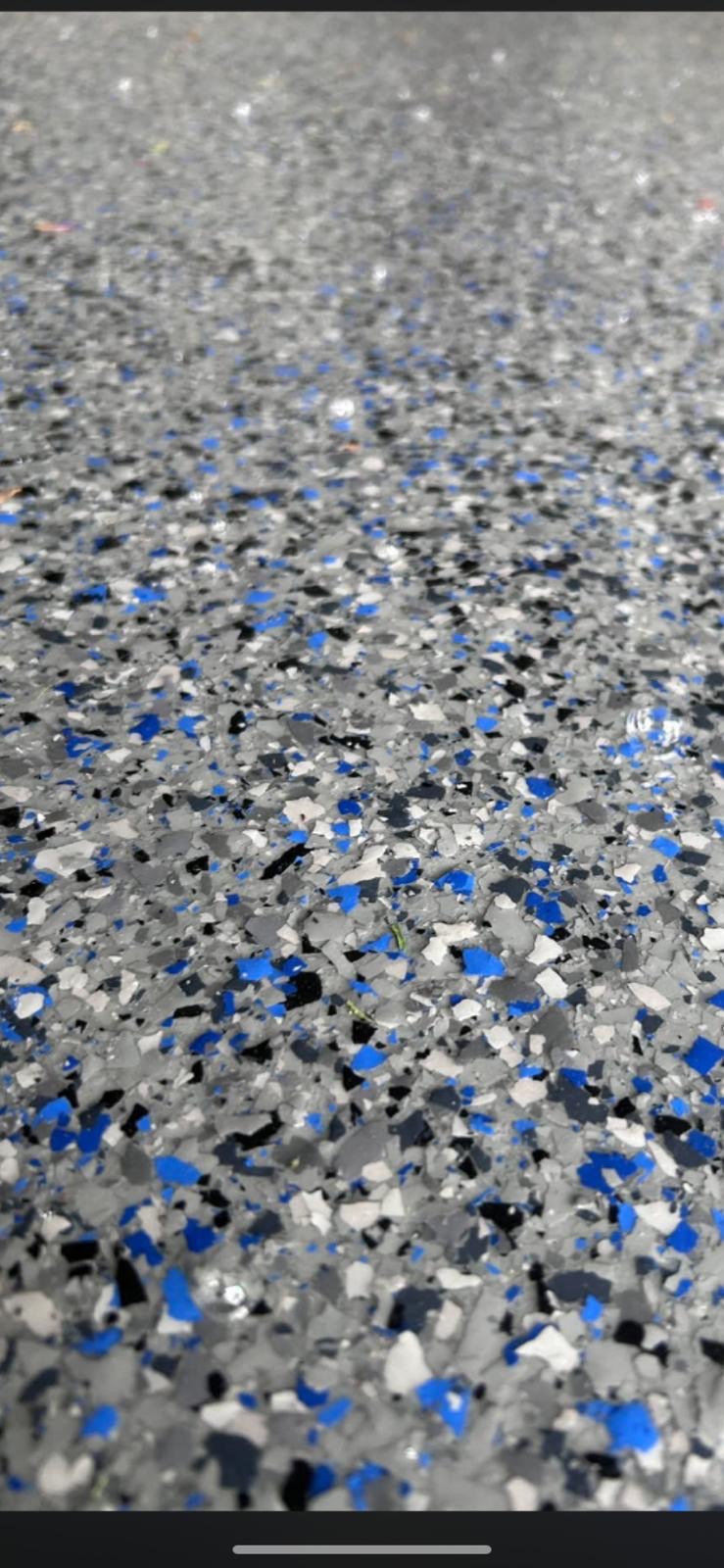
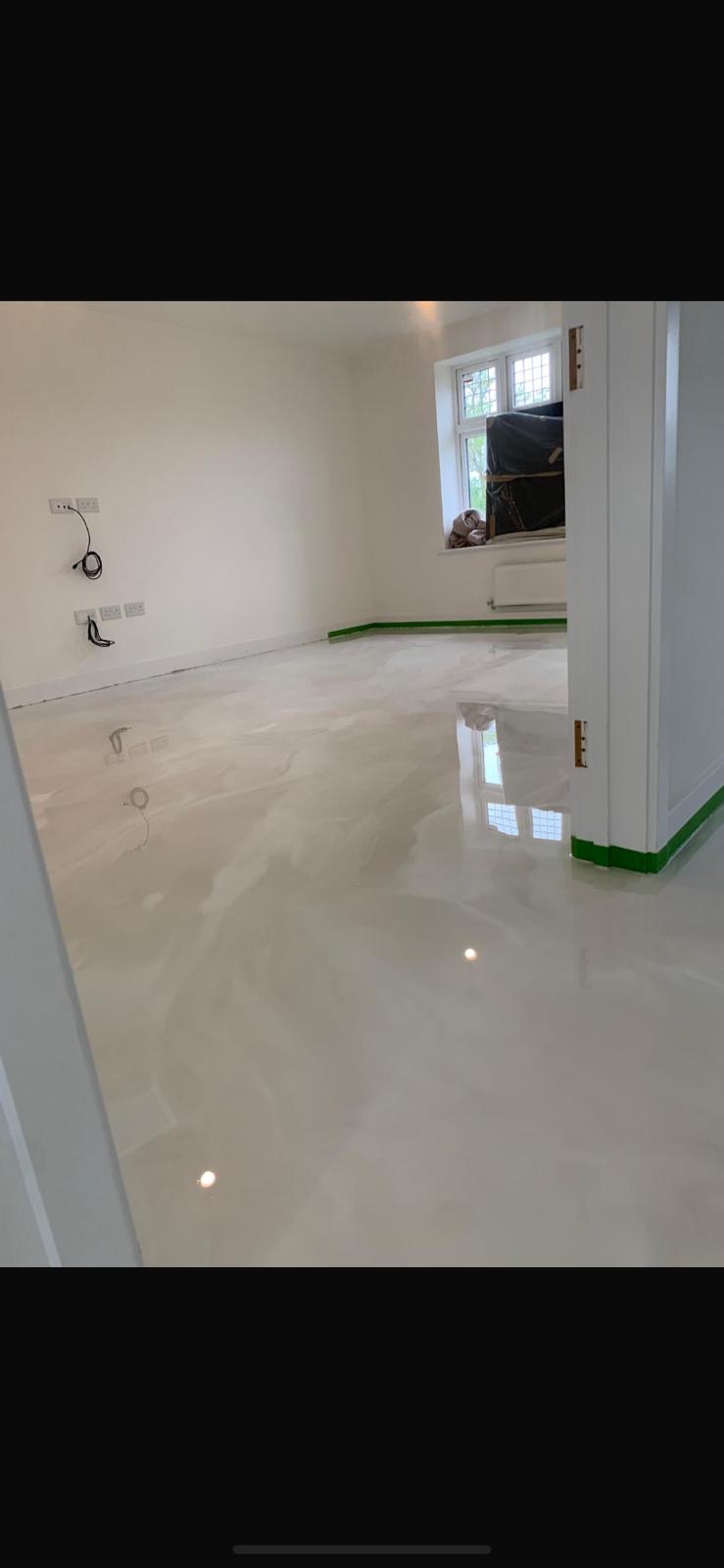
18 sectors. One specialist team.
Warehouse, factory, food, healthcare, retail, showroom and more — engineered resin systems delivered around your shutdown windows.
Ready to start your project?
Call for a free quote, or send your project details by email and we aim to respond within one working day.